UN Approved Boxes FAQs
Frequently Asked Questions about UN specification packaging


Frequently Asked Questions about UN specification packaging
What is UN specification packaging?
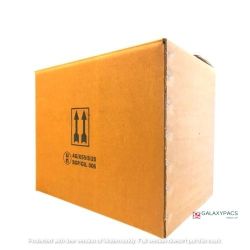
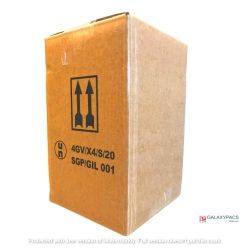
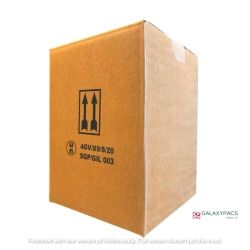
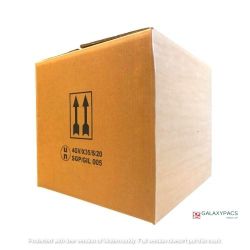
UN Spec Packaging is designed to contain dangerous goods. Having been tested to a specific standard set out by the United Nations, UN rated packaging ensures dangerous goods are safely contained under normal conditions of transportation. UN specification packaging is readily identifiable by its unique packaging code. The type and quantity of dangerous goods that are suitable for a UN certified package can be determined, in part, from this packaging code. An example of the packaging code of a UN fibreboard box:

How do you determine the appropriate UN rated packaging for a dangerous goods shipment?
The minimum requirements for what can be placed in a UN rated package are provided in the packaging code – clearly marked on the outside of the package. The packing group of the dangerous goods must comply with the rating of the packaging.
UN Packaging code rating:
X – PG I, II, III
Y – PG II, III
Z – PG III
Further considerations: Meeting the requirements of the packaging code doesn’t, in itself, make the UN rated package suitable for transport. The shipper must take into account the following:
What is UN specification single packaging?
UN specification packaging designed to solely contain dangerous goods. No inner packagings are required for a single packaging to perform its containment function
What is a UN combination package?
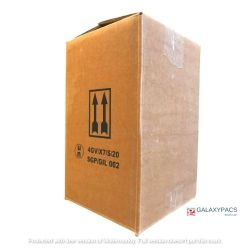
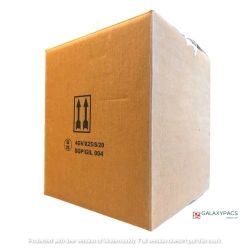
A packaging system that includes inner packages contained within a single outer package. The outer package bears the UN combination packaging code, which remains valid provided the package is assembled in the same way it was during testing – ie. the exact type/number of inner packages need be assembled inside the outer package as per the packing instruction. An example of the packaging code of a 4GV UN Approved Fibreboard Box:

4GV UN packaging provides flexibility for those who:
UN specification packaging synonyms
Within the transportation industry, UN specification packaging is characterized by a variety of names. Many of these misnomers reflect fundamental misunderstandings of how UN Packaging is created & used –
‘Dangerous goods packaging’ or ‘Hazmat packaging’ are commonly used terms, as these materials are what UN packaging is designed to contain. Names such as: ‘UN tested Packaging’, ‘UN certified Packaging’, & ‘UN approved Packaging’ incorrectly imply the United Nations is involved in the certification/approval process itself. Terms such as: ‘TDG Packaging’, ‘DOT Packaging’, ‘IATA DG Packaging’, & ‘IMDG Packaging’, incorrectly restrict UN Packaging to only one mode of transport [specific regulatory requirements – such as the IATA 95 kPa pressure test for air transport of liquids – can still render some packages ineligible for specific modes of transport].
UN spec packaging synonyms:
UN tested packaging
UN performance packaging
UN approved packaging
UN certified packaging
UN rated packaging
Dangerous goods packaging
Hazmat packaging
TDG packaging
DOT packaging
IATA DG packaging
IMDG Code packaging