
UN-Approved Packaging Explained: Meaning, Markings, Tests, and Compliance
Have you ever wondered what makes certain packaging safe enough to transport hazardous materials worldwide? When it comes to shipping dangerous goods, packaging must withstand extreme handling while preventing leaks, spills, or contamination. From chemicals and batteries to flammable liquids and toxic substances, even a small packaging failure can result in serious safety, environmental, and financial consequences. This is where UN-approved packaging plays a critical role.
What Exactly Is UN-Approved Packaging?
UN-approved packaging is packaging designed specifically for transporting dangerous goods safely. Before it’s certified, the packaging goes through strict tests to make sure it can withstand real shipping conditions, from handling and stacking to long-distance transit. These standards come from the United Nations Recommendations on the Transport of Dangerous Goods and are recognised and used worldwide across air, sea, road, and rail transport.
In simple terms, this approval brings peace of mind. Hazardous materials stay securely contained during transport, lowering risk and helping protect people, property, and the environment, even under challenging conditions.
How Do You Identify UN-Approved Packaging?
Now that we’ve covered what UN-approved packaging is and why it’s important, the next step is knowing how to identify it.
UN-approved packaging can be identified by the UN symbol printed or embossed on the package, followed by a specific code. This code provides detailed information about the packaging, including:
Type of packaging (identified by a number)
1 – Drum
2 – Barrel
3 – Jerrican
4 – Box
5 – Bag
6 – Composite packaging
7 – Pressure receptacle
Material of construction (identified by a letter)
A – Steel
B – Aluminium
C – Natural wood
D – Plywood
F – Reconstituted wood
G – Fibreboard
H – Plastic
L – Textile
M – Multi-wall paper
N – Metal (other than steel or aluminium)
Packing group (indicating the level of danger)
X – Packing Group I (high danger)
Y – Packing Group II (medium danger)
Z – Packing Group III (low danger)
Maximum gross mass (for solids) or specific gravity (for liquids)
Year of manufacture
Maximum gross mass (for solids) or specific gravity (for liquids)
Country code or manufacturer’s mark
Example:
UN 4GV/X35/S/24/SGP/GALX1596
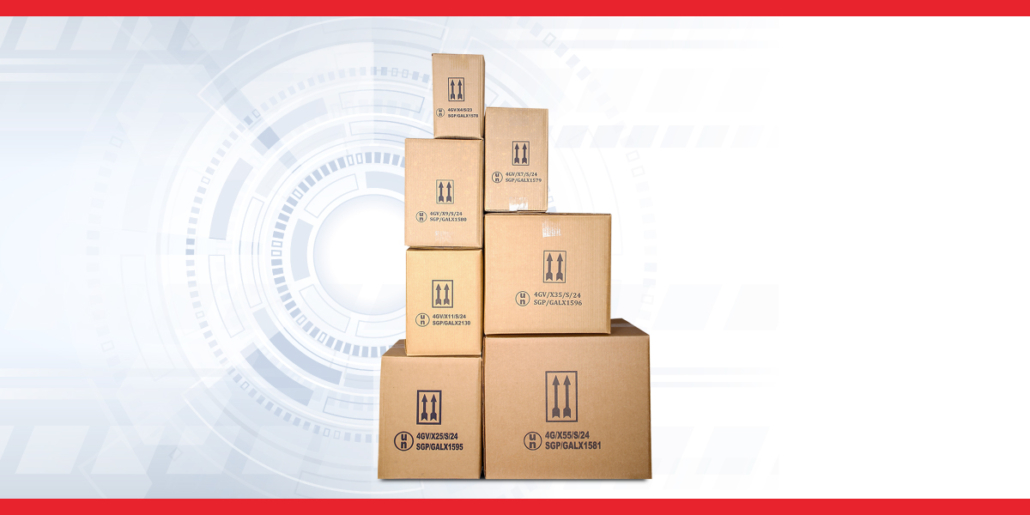
Let’s take an example from one of the boxes shown in the above picture. At first glance, this code can look confusing, but each part has a specific meaning. The UN mark shows that the packaging has been tested and approved under the UN Recommendations on the Transport of Dangerous Goods. The next part, 4G, tells you the packaging type—in this case, a fibreboard box. And V denotes that non-specific (variable) inners are permitted.
The letter X indicates that the packaging is approved for Packing Groups I, II, and III. In simple terms, this means it can be used for high-, medium-, and low-danger goods, as long as it stays within the tested limits. The number 35 refers to the maximum gross mass allowed, measured in kilograms. The letter S confirms that the packaging is intended for solids or for usage with inner packaging. 24 represents the year of manufacture, which is 2024. SGP identifies Singapore as the country where the packaging was approved by the competent authority. Finally, GALX1596 is the manufacturer’s identification mark, used to trace the company or facility responsible for producing the UN-marked packaging.
Why UN Certification Matters?
When it comes to transporting hazardous materials, cutting corners on packaging isn’t an option. Using the wrong or non-certified packaging can put shipments, workers, and businesses at serious risk. The consequences go beyond minor delays—they can escalate into operational problems, legal trouble, and safety hazards.
Here are some of the risks of using non-UN-certified packaging:
Shipment Rejection
If packaging doesn’t meet the required standards or lacks certification, carriers may refuse to move the shipment. This can cause unexpected delays, missed deadlines, and extra costs for the business.
Regulatory Penalties
Dangerous goods regulations are strict. Failing to comply can lead to fines, enforcement actions, or even legal cases. Over time, non-compliance can also create ongoing burdens, taking up time and resources that could be better spent elsewhere.
Safety Risks
Poorly designed or incorrect packaging increases the chance of leaks, fires, chemical reactions, or other accidents during transport. These incidents put employees, transport crews, property, and the environment at risk.
Reputational Impact
Not meeting UN standards doesn’t just affect one shipment. It can damage customer trust, strain partnerships, and attract scrutiny from regulators.
For organisations handling dangerous goods, UN certification is more than a box to tick. It’s a key part of managing risk, keeping people safe, and ensuring the supply chain runs smoothly.
Testing of UN Packaging
UN certification isn’t easy to get. Packaging must prove it can survive real transport conditions. This means passing a series of practical tests that show whether it can withstand common stresses—because in logistics, things rarely go perfectly. These tests include:
Drop Test
Accidental drops happen when packages are handled, loaded, or unloaded. This test checks if the packaging can survive knocks and bumps without cracking, breaking, or leaking. It ensures that the contents stay protected even when mistakes occur.
Leakproofness Test
For liquids, keeping them contained is critical. This test confirms that the packaging can hold liquids securely during transit. It prevents leaks that could harm people, other cargo, or the environment. Essentially, it ensures liquids stay safely inside their packages from warehouse to delivery.
Vibration Test
Packages are constantly moving during transport—whether it’s bumps on the road, engine vibrations, turbulence in the air, or motion on a ship. This test simulates those movements to see if the packaging can keep its contents stable. It checks whether items stay secure and intact, even when shaken, jostled, or constantly moved during the journey.
Stacking Test
In warehouses and transport units, packages are often stacked. This test checks if packaging can hold up under weight without collapsing, bending, or losing its shape. It ensures items stay safe even when stored or transported in stacks.
Hydrostatic Pressure Test
When liquid packages are transported, changes in altitude, temperature, or movement can increase pressure inside the container. This test checks whether the packaging can handle that internal pressure without deforming, splitting, or failing. It helps confirm that the container stays strong and intact even when pressure builds up during the journey.
Only packaging that passes all these tests can be certified. This confirms it is suitable for safely transporting dangerous goods.
This depth of testing is also why where your packaging comes from matters. At Galaxypacs, UN-certified packaging is developed to match specific dangerous goods requirements and is certified by ERRL Singapore, in line with ICAO and IMDG regulations. Built for multimodal transport, these solutions support compliance, smoother customs movement, and the safe flow of goods across global supply chains.


Leave a Reply
Want to join the discussion?Feel free to contribute!